Source NBR Foam Ergonomic Jump Rope for Home Gym Outdoor
Compare 30 listings of NBR foam ergonomic jump rope designed for speed training, fitness, and portable workouts. Buyers can evaluate features like cold resistance, customizable logos, and varying rope lengths from suppliers in China.
Key considerations
Products List

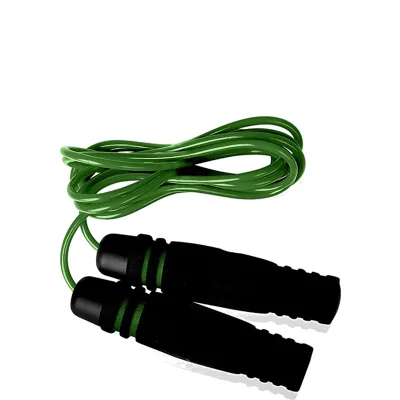
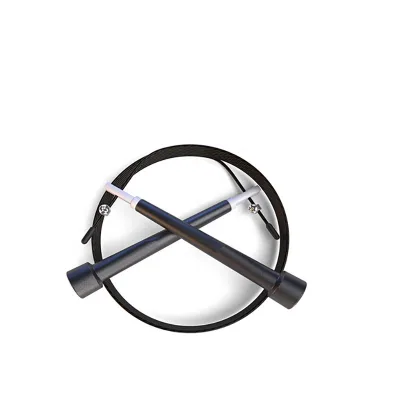


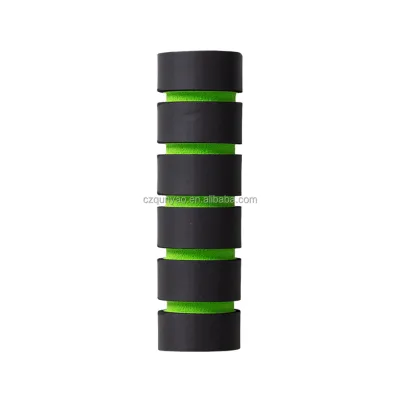


Comprehensive Sourcing Guide
Strategic Sourcing Guide for NBR Foam Ergonomic Jump Ropes
Understanding Product Specifications and Material Composition
When sourcing jump ropes, particularly those described with ergonomic handles and specific materials, buyers must first distinguish between the core keyword attributes and the actual data points available in the current market inventory. The term "NBR foam" implies a specific rubber compound known for its durability and grip, yet the supplied product facts indicate a diverse range of handle materials including plastic, aluminum, steel, and wood. The available data explicitly lists "Plastic/aluminum handle+steel rope" and "Wooden" handle materials as observed specifications. Consequently, a buyer seeking NBR foam handles must verify if the specific supplier offers this material, as it is not universally present in the current observed listings.
The physical dimensions of the rope are equally critical for operational fit. The observed specifications reveal a standard single package size of 20154 cm and a single gross weight of 0.500 kg. Regarding the rope itself, the data presents varying lengths, including 2.8 m, 3 m, 300 cm, and 270 cm. The presence of "Length Adjustment" as a feature suggests that some models allow for customization to fit different user heights, which is a vital consideration for unisex and children's applications. The rope construction is noted as a "steel rope" in the provided facts, which aligns with the "High-performance" and "Speed Jump Training" usage categories. Buyers should confirm if the steel rope is coated or if it is bare, as this affects the tactile experience and potential for tangling.
Compliance and Certification Verification Protocols
In the B2B procurement of fitness equipment, compliance is not merely a formality but a prerequisite for market access. The supplied product facts confirm the presence of RoHS and CE certifications within the observed inventory. RoHS compliance indicates that the product restricts the use of specific hazardous materials, which is essential for exporting to the European Union and other regions with strict environmental regulations. The CE marking signifies that the product meets EU safety, health, and environmental protection requirements.
However, buyers must exercise caution regarding the scope of these certifications. The data lists "RoHS" and "CE" as observed attributes, but it does not explicitly state that every single SKU or color variation carries these certifications. Furthermore, the keyword "NBR foam" often requires specific flammability and chemical stability testing that may not be covered by general CE or RoHS marks. Procurement teams should request the specific test reports for the NBR material to ensure it does not contain excessive volatile organic compounds (VOCs) or heavy metals beyond the RoHS limits. The "Customized" standard noted in the facts implies that some products may deviate from standard industrial norms, making independent verification of the specific batch's compliance status mandatory before finalizing a large order.
Cost Drivers and Pricing Dynamics
The pricing landscape for jump ropes is influenced by several distinct variables, as evidenced by the observed price range of 0.1 to 44.7 USD. This wide disparity suggests that the final cost is heavily dependent on the handle material, the complexity of the rope mechanism, and the level of customization requested. The lower end of the price spectrum likely corresponds to basic models with plastic handles and standard steel ropes, while the higher end may reflect premium features such as wooden handles, ball-bearing systems, or specialized ergonomic foam grips.
Material costs are a primary driver. The transition from plastic or aluminum handles to wooden or specialized NBR foam handles will inevitably increase the unit cost. Additionally, the "Customized" nature of the product, including logo printing and color selection, adds to the manufacturing complexity. The data indicates a "Supply Ability" of 500 pieces per day, which acts as a constraint on immediate volume scaling. If a buyer requires a large order exceeding this daily capacity, lead times will extend, potentially affecting the overall landed cost due to storage or expedited shipping fees. The "MOQ" of 100 pieces is a standard entry point, but buyers seeking lower unit prices may need to negotiate volumes closer to the upper observed MOQ of 10,000 pieces to achieve significant economies of scale.
Typical Applications and Usage Scenarios
The versatility of the jump rope is highlighted by its diverse application data. The product is explicitly described as "Ideal for Home, Gym, or Outdoor Workouts," indicating a broad market appeal. The "Usage" field specifies "Speed Jump Training," which suggests that the design is optimized for high-frequency, rapid movements typical of CrossFit, boxing, or competitive fitness routines. The "Function" of "Keeping Fit" further broadens the target demographic to include general health enthusiasts.
The "Gender" classification as "Unisex" and "Men" alongside "Children" confirms that the product line is designed to accommodate a wide age range. The "Smart Type" is listed as "Non-smart," meaning these are mechanical devices without digital counters or Bluetooth connectivity, which keeps the focus on pure physical performance. The "Counter" attribute varies, with some models having "Without Counter" and others "With Counter." For speed training applications, a counter-less design is often preferred to reduce weight and distraction, whereas general fitness users might benefit from the feedback provided by a counter. The "Portable" feature and compact packaging (20154 cm) make these ropes suitable for travel and storage in small living spaces, a key selling point for urban consumers.
Supplier Evaluation and Operational Capabilities
Selecting the right supplier requires a deep dive into their operational metrics and logistical capabilities. The observed "Place of Origin" is Jiangsu, China, with a "Port of dispatch" in Shanghai. This location is a major manufacturing hub, offering access to a robust supply chain for raw materials like steel, plastic, and wood. However, buyers must verify the supplier's actual production capacity against the stated "Supply Ability" of 500 pieces per day. If the order volume exceeds this threshold, the supplier must demonstrate the ability to scale production without compromising quality or extending lead times beyond acceptable limits.
The "Customization" availability is a significant factor in supplier selection. The data confirms that "Customized Logo," "Customized Color," and "Customized" models are available. This flexibility allows buyers to create private label products. However, the "OEM" brand name listed in the facts suggests that many suppliers operate primarily as original equipment manufacturers. Buyers should assess the supplier's experience with OEM projects, specifically their ability to manage the "Packing Details" which include poly bags, carry bags, and boxes. The ability to switch between different packaging types (e.g., from simple poly bags to premium boxes) is a strong indicator of a supplier's versatility and attention to detail.
Quality Control and Performance Assurance
Quality control in the manufacturing of jump ropes hinges on the integrity of the rope and the durability of the handles. The observed features include "Cold-resistant," "Heat-resistant," "Impact-resistant," and "Wear-resistant" properties. These attributes are critical for ensuring the product performs reliably in various environmental conditions. For instance, a rope used outdoors in winter must remain flexible and not become brittle, while a rope used in a hot gym environment must not degrade under heat.
The "Exceptional Strength and Resilience" and "Ergonomic Handles" are listed as specific features, but these are observations rather than guaranteed performance metrics for every unit. Buyers should implement a rigorous quality control plan that includes stress testing the rope for breakage and evaluating the handle grip for slippage. The "Single Skip Rope" type is standard, but the "Length Adjustment" mechanism must be tested for smooth operation and secure locking. Given the "Without Counter" or "With Counter" variations, the mechanical components of the counter must be tested for accuracy and longevity. The "Steel rope" material must be inspected for rust resistance, especially if the product is marketed for outdoor use.
Long-Term Procurement and Supply Chain Resilience
Sourcing jump ropes is not a one-time transaction but a long-term partnership that requires strategic planning. The "Customized" nature of the product means that once a design is finalized, switching suppliers can be costly and time-consuming. Buyers should secure a stable supply chain by negotiating long-term agreements that lock in pricing and ensure consistent quality. The "MOQ" of 100 pieces offers flexibility for startups, but for established brands, negotiating higher volume commitments can secure better pricing and priority production slots.
The "Logistics" aspect is also crucial. With the "Port of dispatch" in Shanghai, buyers should factor in shipping costs and lead times from China to their destination. The "Single gross weight" of 0.500 kg and the "Single package size" of 20154 cm are key data points for calculating freight costs, especially for air freight. Buyers should also consider the "Packing" requirements, such as the need for poly bags versus boxes, as this impacts the total volume and weight of the shipment. Finally, the "Customized Logo" capability allows for brand building, but buyers must ensure that the supplier has the capacity to maintain consistent branding quality over multiple production runs. By focusing on these long-term factors, buyers can build a resilient supply chain that supports their growth and market demands.
FAQs
Can I customize the logo and color for this jump rope?
Yes, customized logo and color options are available for this product. The specifications confirm that customization is available for both the logo and the color, allowing buyers to create unique branding while maintaining the standard steel rope and handle materials.
What certifications do these jump ropes carry?
The observed inventory includes products with RoHS and CE certifications. These marks indicate compliance with hazardous material restrictions and EU safety standards, though buyers should verify specific batch documentation as certifications may vary by SKU.
What is the minimum order quantity for this product?
The standard minimum order quantity is 100 pieces, though observed ranges extend up to 10,000 pieces. Buyers can negotiate based on volume, with the daily supply ability capped at 500 pieces per day for immediate scaling.
How long is the rope and can it be adjusted?
The rope length is available in 2.8 meters, 3 meters, 270 centimeters, or 300 centimeters with length adjustment features. This flexibility supports various user heights and ensures the product fits both children and adults for speed jump training.
Where are these jump ropes manufactured and shipped from?
These products originate from Jiangsu, China, and are dispatched from the Shanghai port. This location provides access to a robust supply chain for materials like steel, plastic, and wood used in the handle and rope construction.
What materials are used for the handles and rope?
The handles are constructed from plastic, aluminum, or wood, paired with a steel rope. While the core keyword mentions NBR foam, the observed facts explicitly list plastic, aluminum, and wood as the available handle materials in the current inventory.